Comparing Natural Latex vs Hybrid Mattresses: What Sleepers Should Know
A thoughtful, non-promotional exploration of two leading mattress families—natural latex and hybrid—designed to help readers interpret materials, performance, and maintenance through the lens of sleep science and everyday comfort.
In the evolving landscape of sleep surfaces, two contenders consistently command attention: natural latex mattresses and hybrids that blend coils with foam or latex. Each represents a distinct engineering philosophy. Latex emphasizes buoyant responsiveness, natural materials, and thermal regulation. Hybrids lean on a confluence of support cores and comfort foams, aiming to harmonize bounce, pressure relief, and durability. For sleep seekers who want clarity without marketing gloss, the comparison pivots on core principles: materials, feel, support mechanics, temperature behavior, durability, and how these elements align with sleeping positions and habits.
This article sits at the intersection of materials science, ergonomics, and consumer education. It distills the essential differences between natural latex and hybrid constructions, offering practical guidance on choosing based on position, temperature sensitivity, and maintenance needs. While the market frequently brands products with glossy narratives, the aim here is to illuminate the practical implications of each construction type—how they feel, how they perform across a night and over time, and what that means for long-term comfort and health.
Core Differences: Materials, Feel, and Construction
Natural latex mattresses are built around two fundamental latex categories: Dunlop and Talalay. Both originate from latex sap harvested from rubber trees, but their processing yields different textures, resilience, and compression behavior. Dunlop latex tends to be denser and more substantial, often delivering a sturdy, grounded support that can feel firmer at the same layer configuration. Talalay latex tends to be lighter, more uniform, and buoyant with a pronounced ability to contour to body curves without sacrificing core support.
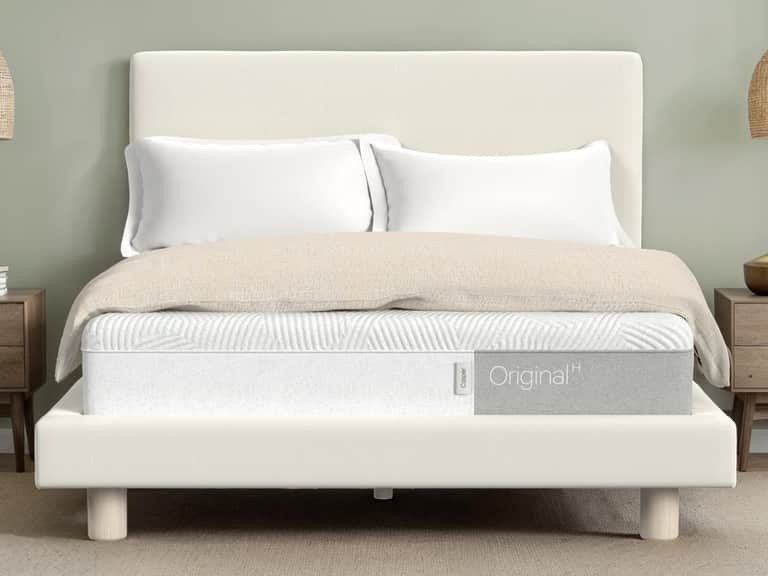
In contrast, hybrid mattresses use a combination approach: a support core—commonly pocketed coils or a zoned coil system—paired with upper comfort layers that may include latex, memory foam, polyfoam, or other cushioning materials. The intent is to synchronize resilient coil support with a top layer that delivers pressure relief and pressure distribution. Hybrids strive to balance bounce and contour, offering responsiveness that can help with movement transitions while maintaining a robust base for spinal alignment.
Materials and Feel: Latex vs Hybrids
Natural latex mattresses typically emphasize a clean material spectrum: organic or natural latex (Dunlop and/or Talalay) layered with natural textiles, often wool or cotton for casing and comfort. The feel is characterized by a lively, responsive response that returns quickly after compression. For sleepers who prefer a surface that moves with them—providing immediate feedback when changing positions—latex can offer a sense of “cradling” that remains buoyant rather than sinking deeply.
Hybrid models foreground a blend of materials in the upper layers above a coil core. The top layers may include latex in certain configurations, but more often they incorporate memory foam or polyfoam designed to shape to the body before the coils supply targeted support. The defining characteristic of hybrids is their trackable balance: a firmer, more substantial base with a top layer that can range from soft to medium-firm. The sensation can be less buoyant than pure latex but more contouring than many conventional innerspring setups.
Considerations by Sleep Position
Sleep position heavily informs the ideal surface. For back sleepers who require consistent spinal alignment, latex’s buoyant support can maintain a neutral spine while minimizing sinking. Side sleepers often benefit from latex or latex-blend hybrids that provide enough contour to cushion shoulders and hips without allowing excessive sink. Stomach sleepers typically seek a firmer, more stable surface to prevent the pelvis from sagging, and both latex and certain hybrid configurations can deliver this stability, depending on layer thickness and firmness.
Temperature and moisture management also intersect with position. Latex's natural breathability and open-cell structure—especially for certain Talalay formulations—can help with airflow, contributing to cooler sleeping surfaces for restless or heat-sensitive sleepers. Hybrids, depending on coil count and foam density, offer varied thermal experiences. A higher coil count with breathable top layers often yields good airflow and thermal neutrality, though the exact performance depends on the specific materials and cover construction.
Maintenance, Longevity, and Care
Natural latex mattresses generally exhibit strong durability and resilience, with a tendency to resist body impressions better than many foam options when backed by quality casing and proper support. Latex tends to hold its shape and provide consistent performance over time, though the exact longevity is contingent on the quality of latex, the thickness of layers, and the durability of the cover and edge support.
Hybrids require attention to the coil system and the top layers. Over time, foam layers in hybrids may develop impressions, and the coil system can experience wear if the mattress is subjected to heavy use or improper support. Rotating a hybrid mattress, following manufacturer guidance, and ensuring an appropriate foundation or bed frame can help preserve performance. In both categories, implementing a breathable, removable cover or protector, and maintaining a stable sleeping environment—temperature, humidity, and movement—contributes to extended comfort and resilience.
Durability, Value, and Tradeoffs
Durability is a practical lens through which to view latex and hybrid mattresses. Latex often wins in long-term resilience when properly supported, in part due to the material’s natural elasticity and resistance to breakdown. However, latex variants vary in price, with organic or high-grade Dunlop and Talalay latex commanding premium prices. Hybrids offer a broad spectrum of price points, with coil configurations and top-layer materials driving differences in longevity and overall value. The tradeoff frequently revolves around upfront cost versus perceived long-term comfort and sleep quality.
From a consumer education standpoint, cost should be weighed against anticipated sleep needs and health goals. A latex mattress that promotes better spinal alignment for a particular sleeper might justify a higher price due to its potential for sustained comfort and lower risk of motion transfer issues. A hybrid, optimized for a sleep environment with fluctuating temperatures or a need for more pronounced edge support, may deliver a favorable balance of comfort and support across a broader price range.
Glossary: Key Terms to Interpret Product Specs
- Latex (Dunlop vs Talalay): Two processing methods of natural rubber; Dunlop yields a denser core, Talalay tends to be lighter and more uniform in feel.
- Hybrid mattress: A mattress combining an innerspring or coil system with one or more layers of foam or latex for comfort.
- Coil count: The number of coils in the spring core; higher counts often correlate with greater contouring potential and support.
- Edge support: The degree to which the perimeter of the mattress maintains support under load, affecting seating feel and durability.
- Breathability: The ability of the mattress to permit airflow, influencing temperature regulation during sleep.
- Indentation or compression test: A measurement of how quickly a surface rebounds after pressure, used as a proxy for durability and feel.
Representative Case Considerations
Consider a back sleeper who experiences warm nights. A natural latex mattress with Talalay latex layers and a breathable organic cover can deliver a cooler surface while preserving support. For a couple with divergent preferences—one sleeper prioritizing firmness, the other seeking more contour—the modularity of certain latex configurations or a hybrid with zoned coils and adaptive top layers can be explored to satisfy both sides of the bed.
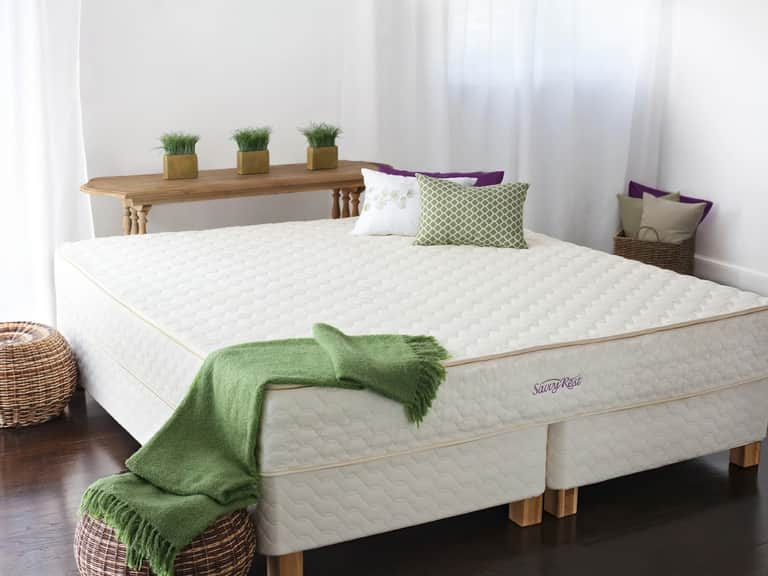
In markets with strong emphasis on organic and natural materials, you may encounter models like Savvy Rest Serenity Latex, a fully customizable latex mattress featuring Dunlop and Talalay layers with an organic cotton cover and wool batting. Such configurations illustrate how consumer options can be aligned with personal comfort preferences while maintaining a natural-material framework. When evaluating any product of this caliber, consider the layer composition, firmness range, warranty, and the availability of layer exchanges or future adjustments to adapt to evolving comfort needs.
Conclusion: Making an Informed Choice
The decision between a natural latex mattress and a hybrid mattress is not a single pivot of advantage but a nuanced alignment of personal sleep goals, body type, and lifestyle. Latex offers continuous, responsive support with a material promise rooted in natural composition and breathability. Hybrids present a flexible, performance-driven approach that can blend bounce, contour, and edge stability in configurations tailored to diverse sleep patterns.
For readers of mastermindattressworks.net who seek to navigate the mattress landscape with clarity, the guiding principle remains straightforward: anchor your choice in your sleep position, warmth tolerance, and maintenance expectations, then map those drivers to the core material strengths. The field rewards careful reading of specifications, an honest assessment of comfort preferences, and a preference for surfaces that encourage restorative sleep without compromise.
Selected Products Available on This Site
The following products align with the themes of natural latex and premium comfort, offering tangible referents for readers who wish to explore material options in a non-promotional way. These items are presented to inform and illustrate construction concepts rather than to promote a sales narrative.
-
Savvy Rest Serenity Latex Mattress — A customizable 10-inch natural latex mattress featuring Dunlop and/or Talalay latex layers, organic cotton casing, and organic wool quilting. This model exemplifies the latex layer approach discussed in this article and demonstrates how layering choices influence feel. Link: Savvy Rest Serenity Latex Mattress.
-
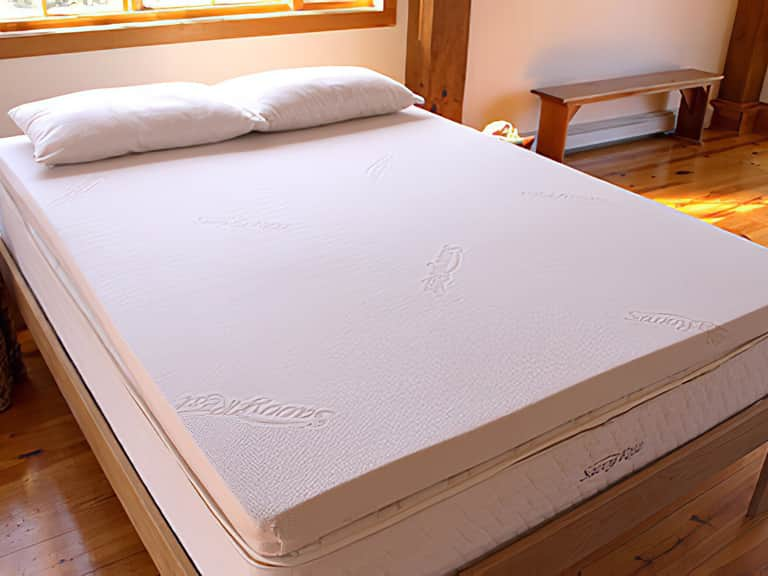
Savvy Rest Vitality Latex Mattress Topper — A 3-inch natural Talalay latex topper with an organic cotton cover. It provides a practical way to explore latex’s surface feel and breathability without committing to a full mattress replacement. Link: Savvy Rest Vitality Latex Mattress Topper.
Note: Product details reflect available items on the site and are cited here to illustrate material concepts and construction approaches. Always verify current specifications, warranties, and availability directly with the retailer.